
Trust Is Built Locally
Trust in national media institutions has fluctuated in recent years, but local outlets often maintain stronger relationships with their audiences. Community journalists live in the neighborhoods they cover. They understand the local dynamics, cultural nuances, and issues residents care about most.
Because of that proximity, audiences tend to see local reporting as more relevant and credible.
For organizations seeking to communicate with diverse communities, that trust matters. Messages delivered through respected local outlets often carry more weight than those distributed through broader channels alone.
Local media acts as a bridge between institutions and communities — translating information into language and context that resonates.
The Digital Landscape Didn’tReplace Local Media — It Amplified It
In an era dominated by global platforms and algorithm-driven content, it’s easy to assume that local media has lost relevance. Social networks, streaming services, and digital advertising appear to have replaced traditional neighborhood outlets.
Yet the opposite is often true.
Local media continues to play a critical role in shaping how communities receive information, build trust, and engage with issues that affect their daily lives. Neighborhood newspapers, community radio stations, local digital publications, and hyperlocal newsletters remain trusted sources because they speak directly to the realities of the communities they serve.
While national platforms distribute information widely, local media provides something far more valuable: context.
It reflects the concerns, culture, and conversations already happening within a neighborhood.

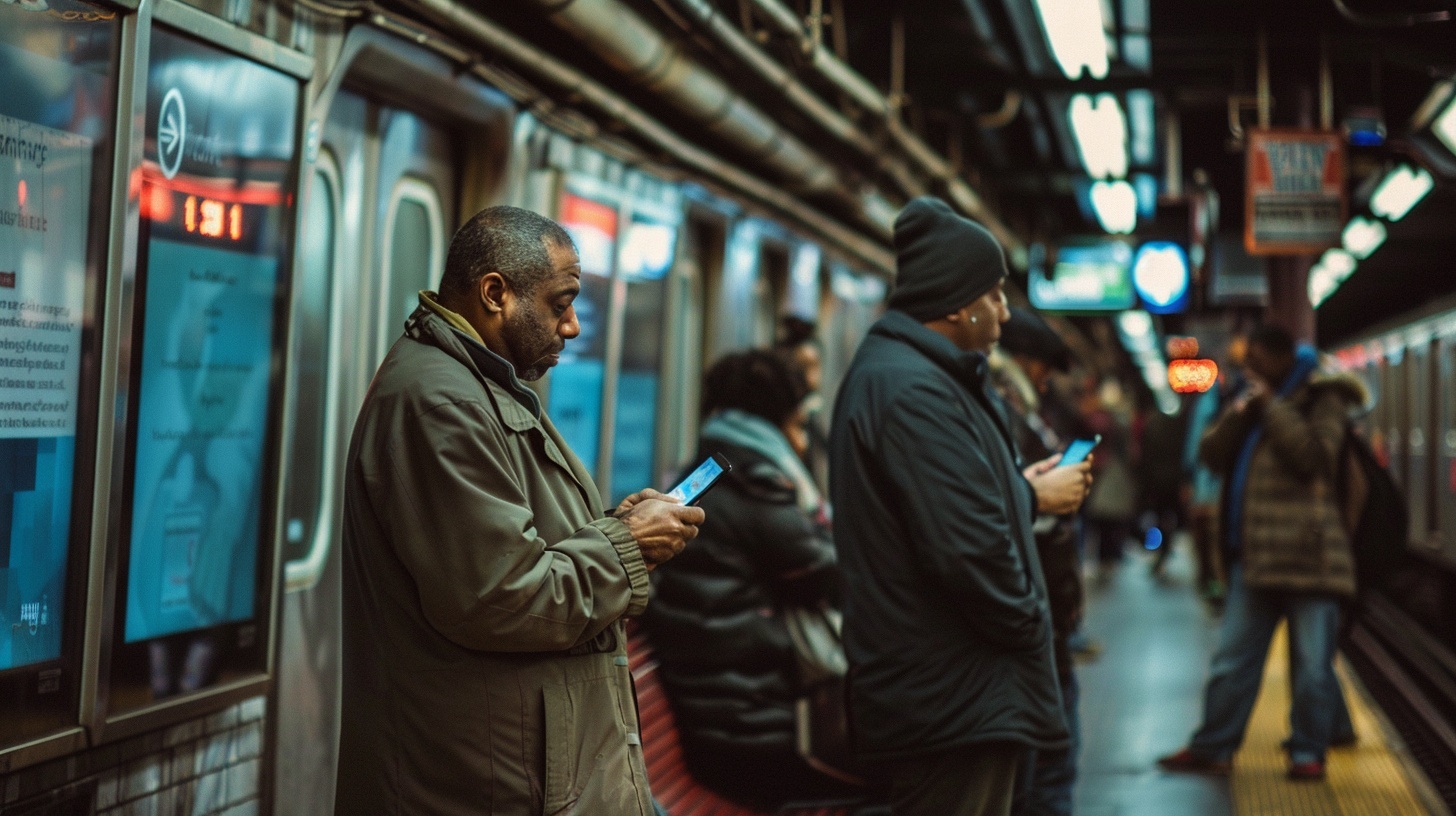


Digital Platforms Didn’t Eliminate Local Influence
The rise of digital media has not replaced local journalism. Instead, it has transformed how local outlets reach their audiences.
Community newspapers now publish online editions. Local journalists share stories through social media. Neighborhood newsletters circulate through email lists and messaging platforms.
Rather than existing outside the digital ecosystem, local media has become an integral part of it.
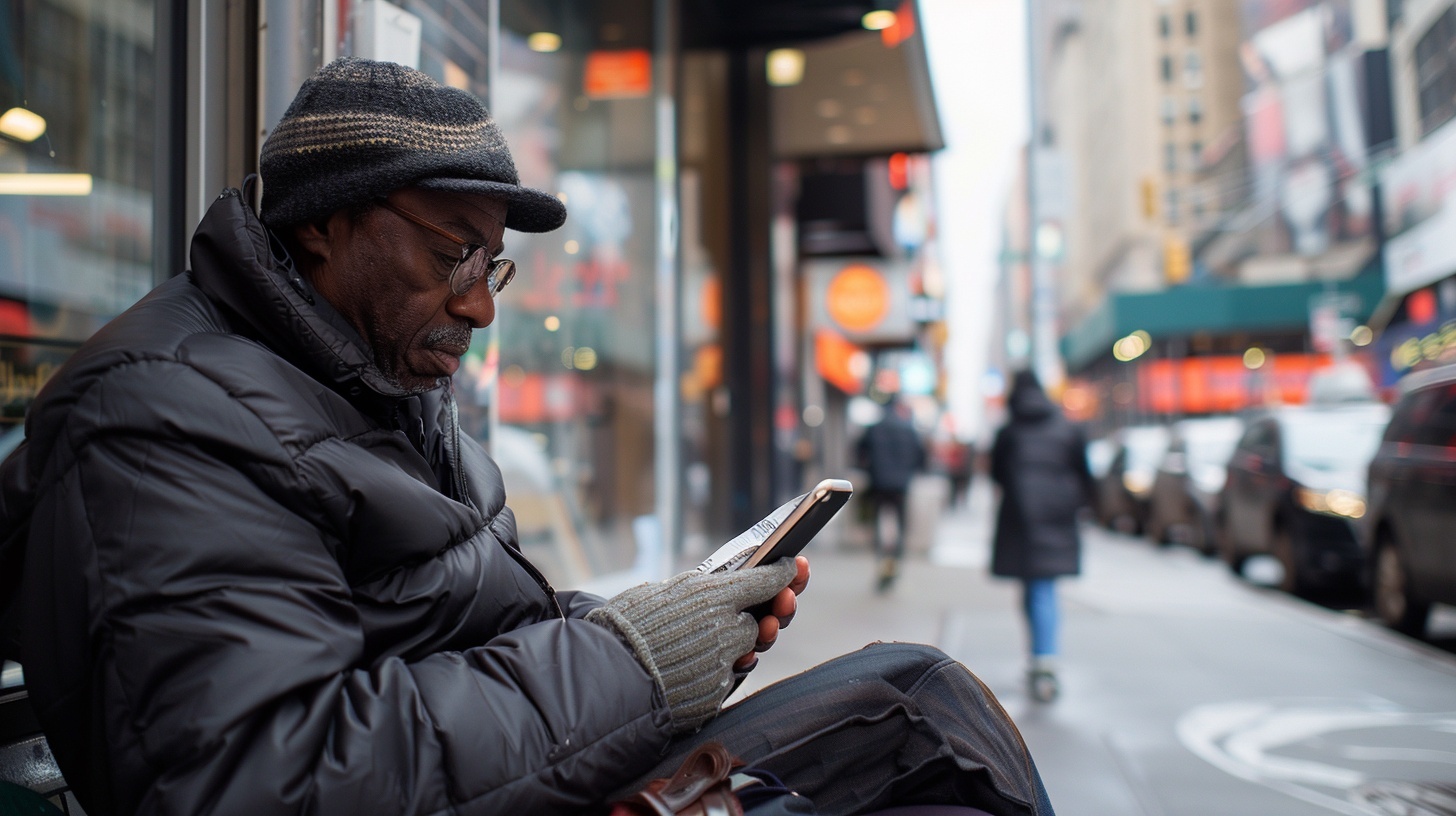
This hybrid environment means audiences encounter information in multiple places: a neighborhood newsletter, a social media post from a local reporter, a community organization’s website, or a story shared through group chats.
For communicators, understanding these local information networks is essential.

Relevance Comes From Proximity
Effective communication today requires more than simply reaching a broad audience. It requires meeting people within the environments where they already gather information and build community.
Local media provides access to those environments.
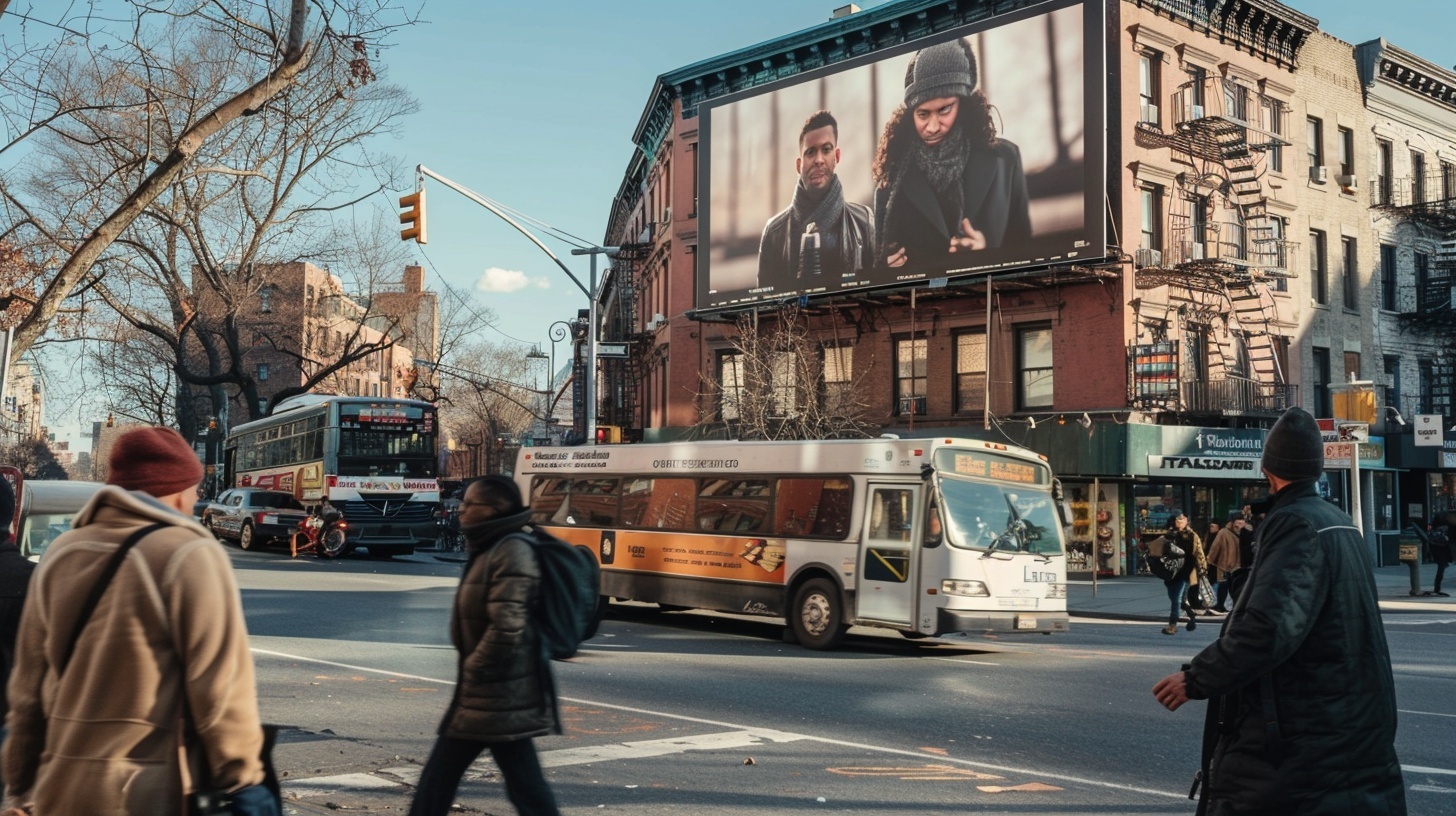
Whether through neighborhood publications, culturally specific outlets, community influencers, or hyperlocal digital platforms, these channels help organizations speak with communities rather than simply broadcasting messages to them.
When communication is rooted in local understanding, it becomes more relevant, more credible, and ultimately more impactful.
Connecting With Communities Starts Locally
Reaching New Yorkers effectively means understanding the local voices, media outlets, and community networks that shape conversation across the city.
Barfield PR helps organizations navigate New York’s media landscape with culturally informed strategies rooted in local insight.
👉 Contact us to learn how we help brands and institutions connect authentically across the five boroughs.

Related Posts

Reaching Diverse Audiences
In a fragmented media landscape, reaching diverse audiences requires more than…


Building Trust in Every Borough
In New York City, no two neighborhoods are the same — and that’s exactly what…

Storytelling That Engages Communities
Great storytelling has always been at the heart of great art. But in today’s…